By Brian Urgo
October 28, 2026
A residential dwelling depends on its uppermost protective barrier to repel severe weather forces. Sun, rain, snow, and wind deliver constant assaults against exterior materials, causing inevitable physical degradation. Property owners often miss subtle decay signals, waiting until catastrophic structural failures disrupt daily routines. Proactive observation remains essential for preserving overall building integrity and maintaining property value. A sturdy overhead shield ensures safety for the inhabitants beneath it.
Constant environmental exposure guarantees that no shielding material lasts forever. Addressing structural decay without delay prevents profound moisture intrusion from ruining interior living spaces. Property owners must educate themselves on specific physical indicators signaling severe deterioration. A complete roof replacement becomes a necessity when minor repairs no longer hold the protective materials together. Confronting structural vulnerability head-on stops progressive decay from compromising the residential dwelling.
Observing Shingle Deterioration
Exterior surface materials bear the brunt of ongoing environmental stress. Asphalt layers become brittle as essential plasticizers bake out under intense ultraviolet rays. Curling edges signal that exterior materials have lost their original flexibility and inherent weather resistance. When surface layers crack, rain finds direct pathways into the vulnerable underlayment. Broken pieces compromise the primary weatherproofing barrier. Weakened defenses allow moisture to seep into the attic space below.
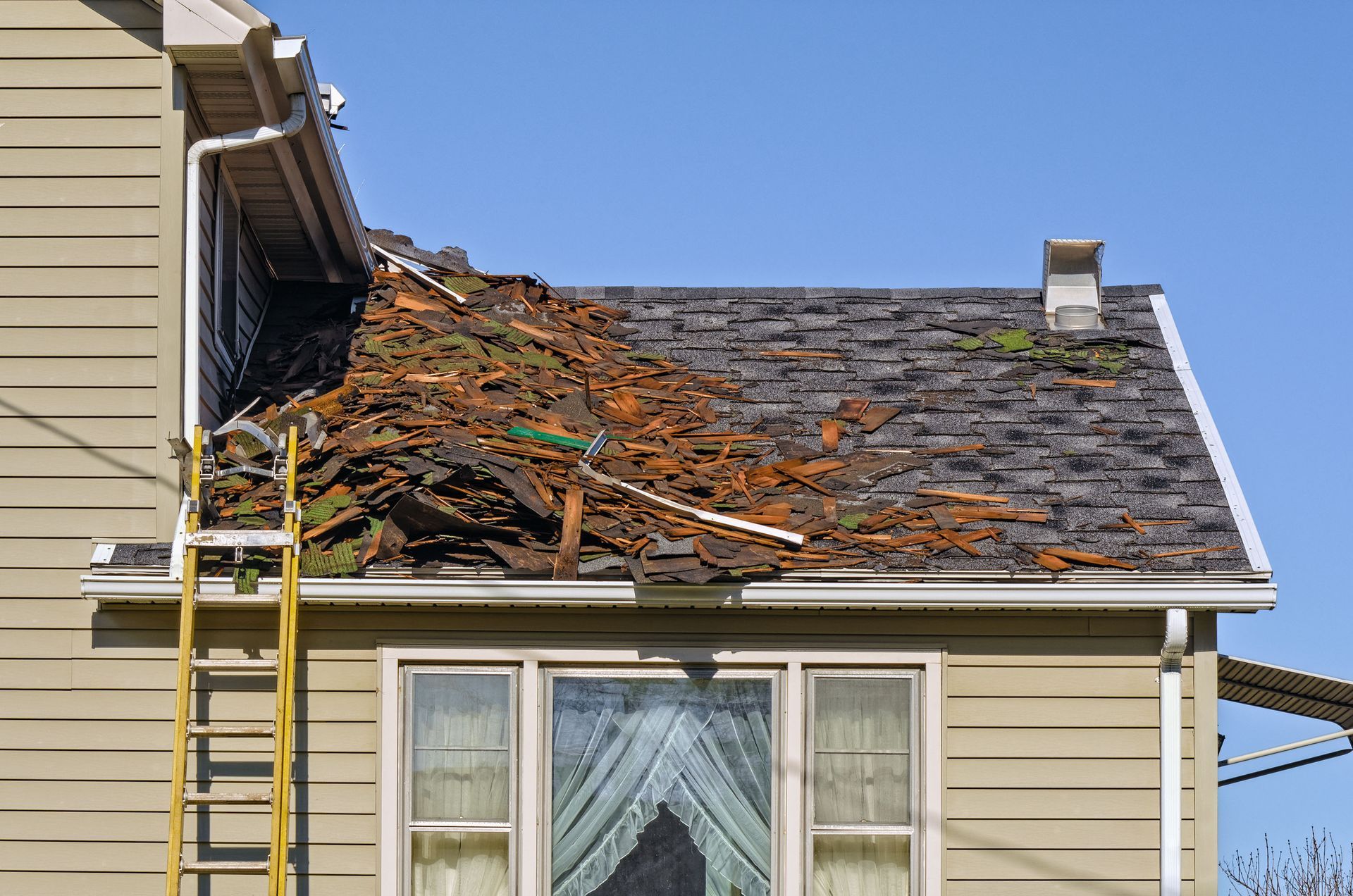
Strong wind storms tear brittle materials right off the wooden decking. Bare patches leave the home vulnerable to immediate and severe water intrusion. Finding pieces of debris scattered across the lawn indicates material failure overhead. Prompt attention prevents small bare areas from expanding into massive structural breaches. Missing sections demand immediate evaluation to prevent underlying wood from rotting. Bare wood exposed to rain decays at an alarming rate.
According to This Old House, asphalt shingle roofs usually last between 15 and 30 years. As materials approach the end of this lifecycle, signs of systemic failure multiply across the surface. Aging sections lose their innate ability to shed water. A total roof replacement addresses systemic aging that simple patching cannot fix. Old surfaces possess weakened resistance against high winds and heavy downpours. Age remains a defining factor in overall material performance.
Homeowners should examine the surface for signs of cupping or blistering. Blisters form when moisture trapped inside the material expands from extreme heat. Cupping exposes the delicate edges to wind uplift, accelerating the physical destruction process. Extensive blistering and cupping indicate material exhaustion. Deformed materials trap falling debris, creating miniature dams that hold rainwater against the surface. Standing water accelerates the ongoing degradation cycle.
Identifying Structural Sagging
A healthy building structure maintains straight, rigid lines across all ridges and valleys. Any visible dip or depression indicates severe structural issues beneath the exterior surface layers. Decking boards warp or rot when chronic moisture penetrates the protective barrier. Sagging signifies that the foundational support system has failed under the immense weight. A compromised deck threatens the stability of the entire overhead structure, creating a safety hazard for residents.
Assessing the ridge line from across the street reveals structural deviations. A wavy appearance suggests the wooden sheathing can no longer support the heavy materials resting above it. Moisture accumulation softens plywood boards, causing structural weakness across the entire span. Ignoring a sagging profile risks partial or complete collapse during heavy winter snowfall. Structural shifts demand visual attention to prevent a catastrophic failure of the interior framing members.
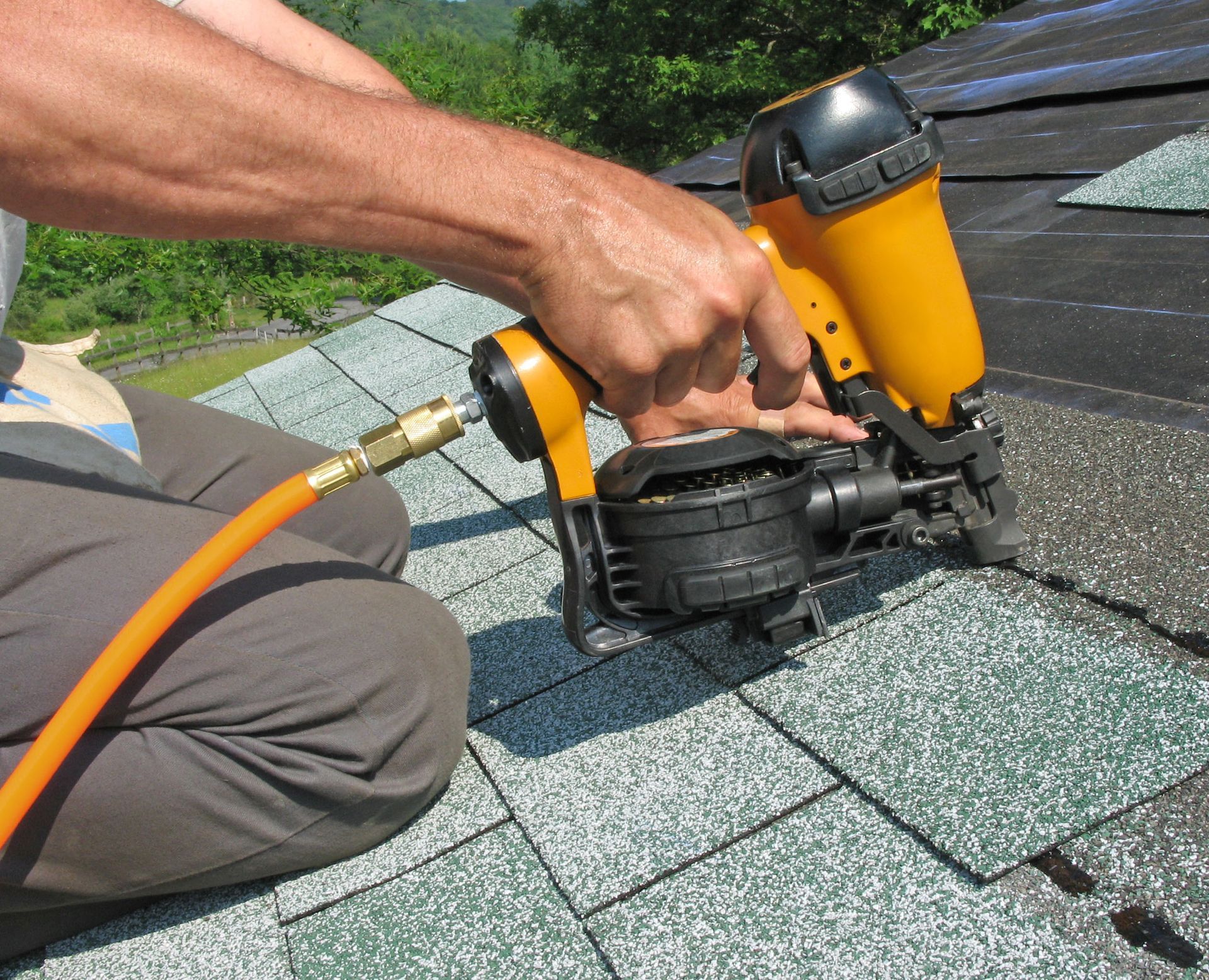
Compromised structural areas require professional evaluation to prevent residential disaster. Adding new shingles over rotted decking conceals a dangerous underlying problem without solving the root cause. Contractors must strip away ruined materials to inspect the wooden framework beneath. A comprehensive roof replacement involves installing new wooden decking to restore structural stability. Fresh decking provides a rigid foundation for the new exterior waterproofing materials.
Pushing on suspected sagging areas from inside the attic reveals soft, spongy wood. Solid decking feels firm and resists applied pressure from a human hand. Rotted wooden joists demand complete reconstruction to restore the building's physical integrity. Eradicating rotted wood guarantees the new exterior materials have a solid foundation. Property owners must ensure all rotted sections get removed before installing any new exterior layers.
Noticing Granule Accumulation
Asphalt coverings feature a textured top layer of crushed protective minerals. These small particles protect the fragile asphalt coating from destructive solar radiation. Without this protective mineral shield, asphalt degrades and deteriorates at an accelerated pace. Rainwater washes loosened particles down the sloped angles and straight into the perimeter gutter system. Over time, the materials lose their rough texture, becoming smooth and vulnerable to sun damage.
Cleaning gutters often reveals significant mineral sediment collecting at the metallic bottom. While minor shedding occurs with brand-new materials, heavy accumulation indicates the protective layer has eroded away. Bald spots on the surface confirm that the vital mineral shield is vanishing. The absence of granules leaves materials defenseless against brutal weather elements. Heavy sediment blockages in downspouts serve as a warning sign of material degradation overhead.
Intense sun exposure bakes the exposed bare asphalt, causing rapid cracking and physical splitting. The dark color of bare asphalt absorbs more solar heat, increasing interior attic temperatures. Elevated heat levels accelerate the breakdown of any remaining intact materials. Such systemic exterior erosion signals the need for a full roof replacement. Ignoring widespread granule loss ensures that leaks will develop during the next major rainstorm.
Property owners might spot coarse dark sediment pooling near the downspout discharge areas. Piles of this sand-like material on the concrete driveway confirm advanced surface weathering. When covering materials lose their textured protective coating, their fundamental weatherproofing capabilities vanish entirely. Recognizing this granular loss prevents unexpected interior leaks during heavy thunderstorms. Identifying sediment buildup on the ground gives residents ample time to plan for massive exterior renovations.
Detecting Interior Infiltration
The most alarming evidence of exterior failure appears inside the residential dwelling. Watermarks spreading across flat ceilings indicate moisture has bypassed all exterior defenses. These ugly brown stains expand each time precipitation falls on the house. Water travels along hidden wooden rafters, making the exact leak source difficult to pinpoint. Moisture creates permanent discoloration on drywall, ruining the visual appeal of interior living spaces.
Peeling interior paint and bubbling wallpaper also suggest high interior moisture levels. Dampness trapped inside dark wall cavities promotes harmful biological growth. Dark mold spots in the upper corners of rooms point toward persistent attic leaks. Breathing indoor air contaminated by airborne mold spores poses significant health risks for all inhabitants. Eradicating interior moisture requires fixing the structural breach located at the highest point of the building.
Inspecting the attic space during a rainstorm provides undeniable proof of water infiltration. Daylight shining through the decking boards means rainwater can enter through the same gaps. Damp fiberglass insulation loses its thermal resistance, driving up monthly heating and cooling costs. Upgrading the protective barrier through a complete roof replacement restores a dry, secure environment. Fresh materials seal all gaps, preventing drafts and moisture from penetrating the attic.
Stale, musty odors lingering in upper hallways act as invisible warning signs of decay. Fungal growth hidden behind drywall thrives in dark, damp environments caused by continuous leaks. Catching these hidden interior clues demands immediate exterior remediation. Eradicating the leak source preserves the home's interior finishes and underlying structural framework. Maintaining a dry interior space ensures the dwelling remains habitable and structurally sound for future generations.
Recognizing the end of a building material's lifespan saves homeowners from continuous frustration. Investing in a brand-new overhead system secures the property against future severe storms. Delaying the inevitable structural upgrades increases the scope of necessary reconstruction. Scheduling a timely roof replacement guarantees a safe, dry, and secure living space. Property owners who monitor exterior conditions preserve their building's overall value and architectural integrity. When these warning signs appear, contact us at Absolute Building Solutions and ABS Roofing & Remodeling to properly secure your home. We are fully prepared to handle your complete roof replacement and protect your property from future weather damage.